Is Aikido Self-Defense? Its Philosophy of Harmony, Explained
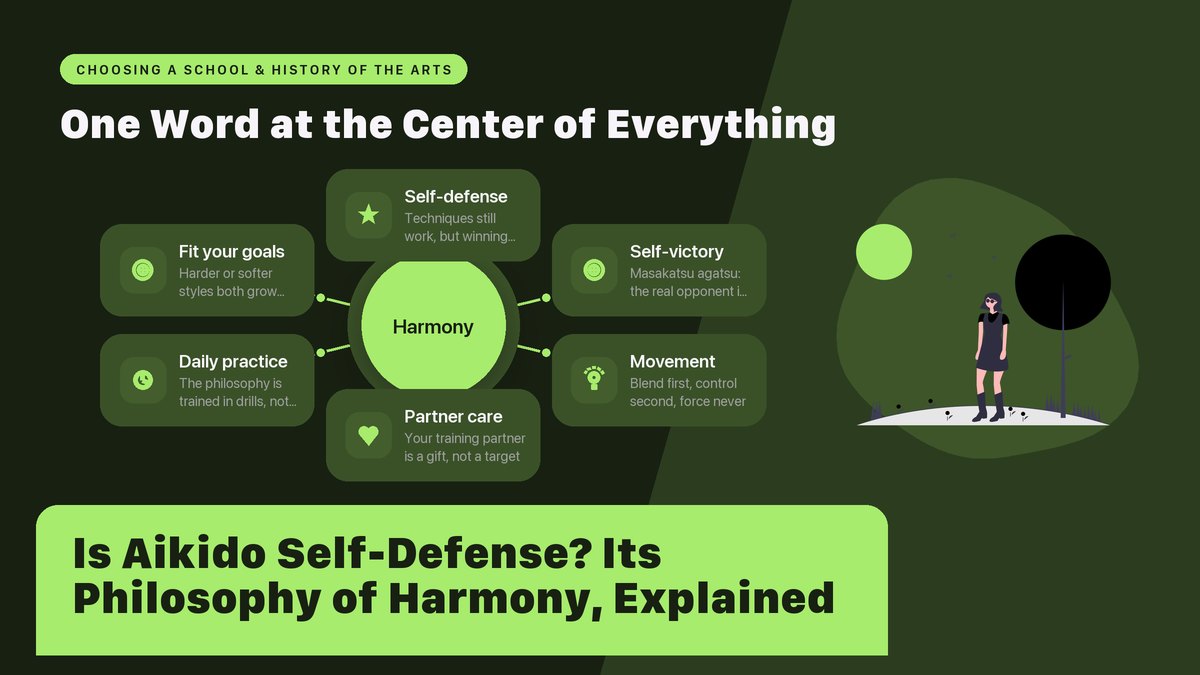
Aikido promises something no other martial art quite does, a way of handling violence without becoming violent yourself. But what does that promise mean when someone grabs your wrist for real? A beginner’s honest tour of the tension between aikido’s fighting roots and its philosophy of harmony, and how today’s teachers square the two.


The History of Aikido: From Morihei Ueshiba to the Modern Dojo

Every aikido dojo on the planet traces its line back to one small, wiry Japanese farmer who died in 1969. His name was Morihei Ueshiba, his students called him O-Sensei, and the story of how a sickly boy from Wakayama built a martial art now practiced on six continents is stranger and better than most people realize. It also explains a lot about the dojo you train in, or the one you’re thinking of joining.

Aikikai, Yoshinkan, Iwama, and More: A Guide to Aikido Styles

Search for aikido classes in any mid-sized American or Canadian city and you’ll find a surprising mess of names. Aikikai. Yoshinkan. Ki Aikido. Iwama style. Tomiki. They all claim the same founder, and they all look more or less alike to a beginner watching through a window. So what actually differs, and does it matter for your first two years on the mat?

How to Choose an Aikido Dojo: A Visitor’s Checklist

Every dojo teaches the same art on paper and a completely different art in practice. The style of aikido matters far less than how the instructor teaches, how the senior students treat the new ones, and whether the room feels like a place you’d want to spend three evenings a week for the next decade. This checklist walks you through what to actually watch for in a trial class, which lineage questions are worth asking, and the red flags that should send you back to the search results.

Ashi Sabaki Drills: Footwork You Can Train Alone

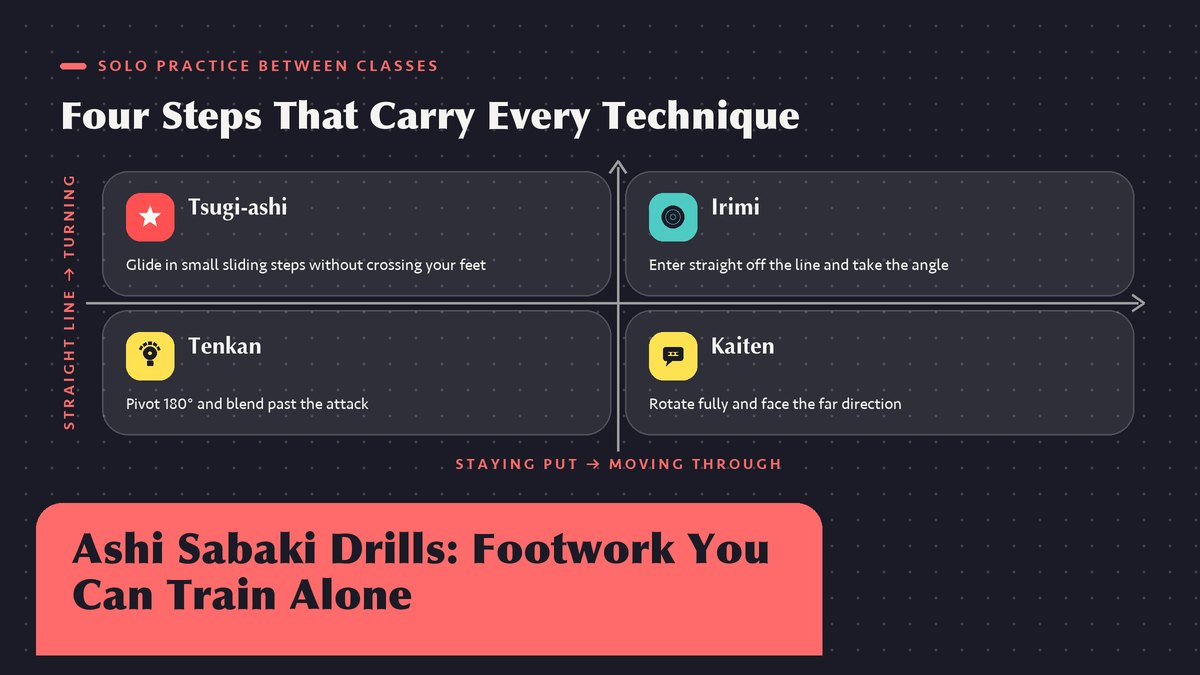
Most aikido problems that feel like technique problems are actually footwork problems wearing a disguise. Your ikkyo collapses because your feet stopped moving, your tenkan wobbles because your heels are glued down, and your irimi arrives late because you’re stepping where you were instead of where the opening is. The good news: footwork is the one part of aikido you can train properly by yourself, in ten quiet minutes, with nothing but a mirror and some floor space.